What Should I Do if I Can’t Afford to Pay the IRS?

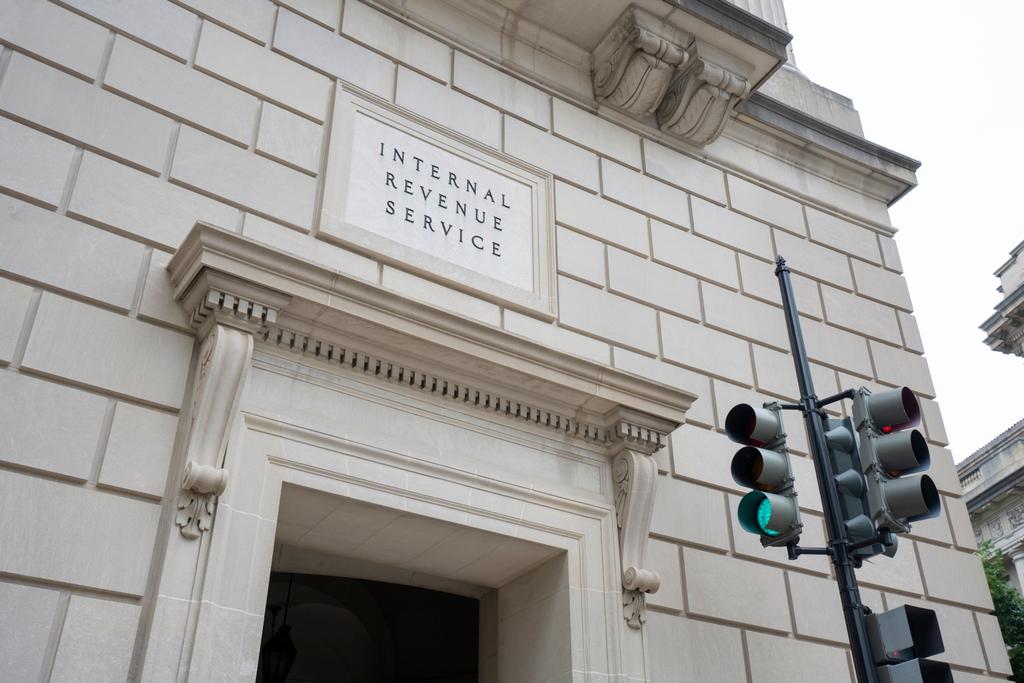
Sometimes the scariest part of tax debt isn’t the balance itself — it’s the fact that you simply don’t have the money to pay it. The IRS knows this situation is common, which is why they created programs like Currently Not Collectible status. This designation puts a hold on IRS collection actions if paying your tax debt would cause serious financial hardship.
But CNC isn’t the only option. Depending on your circumstances, you may qualify for:
- An installment agreement to spread payments out over time.
- An Offer in Compromise to settle for less than you owe.
- Penalty abatement to reduce extra charges.
What’s important is that you don’t ignore the problem. The IRS has powerful collection tools, including levies and liens, that can make your financial life even harder.
At McCauley Law Offices, we help clients understand their options, stop aggressive collection actions, and build a plan to regain financial control. Call today for your free consultation.

About the Author
Gregory McCauley, Esq.
Founder · DE · Admitted in Pennsylvania, New Jersey, New York
For more than three decades, Gregory McCauley has been a trusted advocate for clients facing civil and criminal tax challenges. As the founder of McCauley Law Offices in Chadds Ford, Pennsylvania, Gregory has built a national practice that represents individuals, families, professionals, and closely...