Few things are more unsettling than seeing your paycheck reduced by the IRS. When the government begins collecting directly from your wages, it’s a clear sign that your tax issue needs immediate attention. The good news? You have legal rights and solutions to stop it.
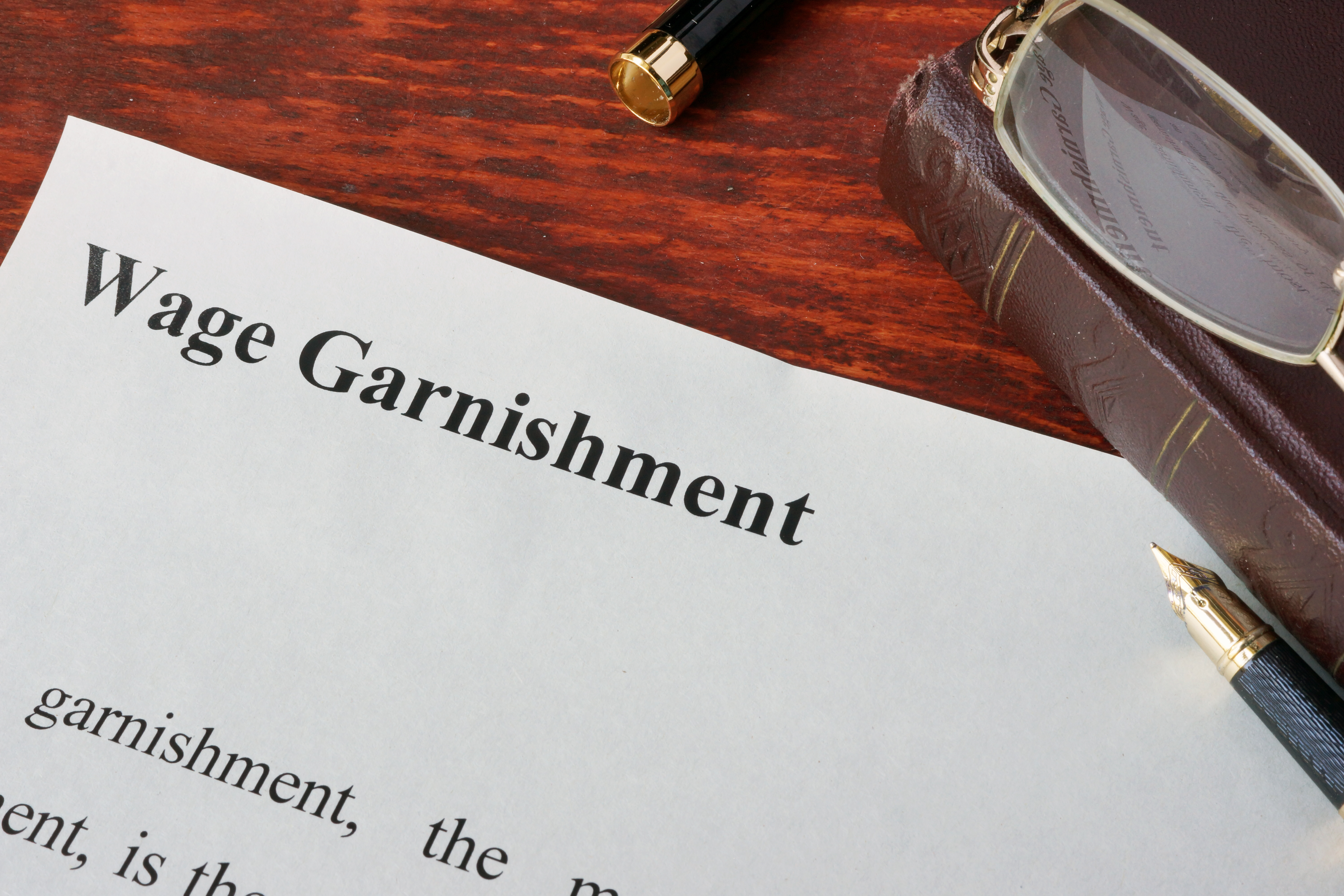
What Is an IRS Wage Garnishment?
The IRS can legally require your employer to withhold a portion of your wages each pay period until your balance is paid in full. This process — called a wage garnishment or levy — continues until the debt is resolved or released.
Before enforcement begins, the IRS must issue a Final Notice of Intent to Levy and provide at least 30 days’ warning. Ignoring those letters is often what allows garnishment to start.
How to Legally Stop a Wage Garnishment
Several relief options can protect your income:
- Installment Agreement: Negotiate a payment plan to pause active collection.
- Offer in Compromise: Settle your debt for less if you qualify under IRS standards.
- Currently Not Collectible (CNC) Status: Prove financial hardship to suspend enforcement.
- Appeal or Hearing: Challenge improper or premature collection activity.
Why Legal Representation Matters
Once garnishment begins, time is critical. The IRS moves fast, but an attorney can intervene faster.
At McCauley Law Offices, our tax attorneys represent clients nationwide and are based in Philadelphia, New Jersey, and Maryland, working directly with the IRS to stop wage levies and negotiate fair resolutions.
Call us today for your free consultation.